
Pottery kilns for bisque, glaze and stoneware firing
We design and build energy-efficient pottery kilns for bisque, glaze and stoneware firing (up to 1250°C). Our pottery kilns heat the chamber evenly and give you precise control over every stage of the firing.
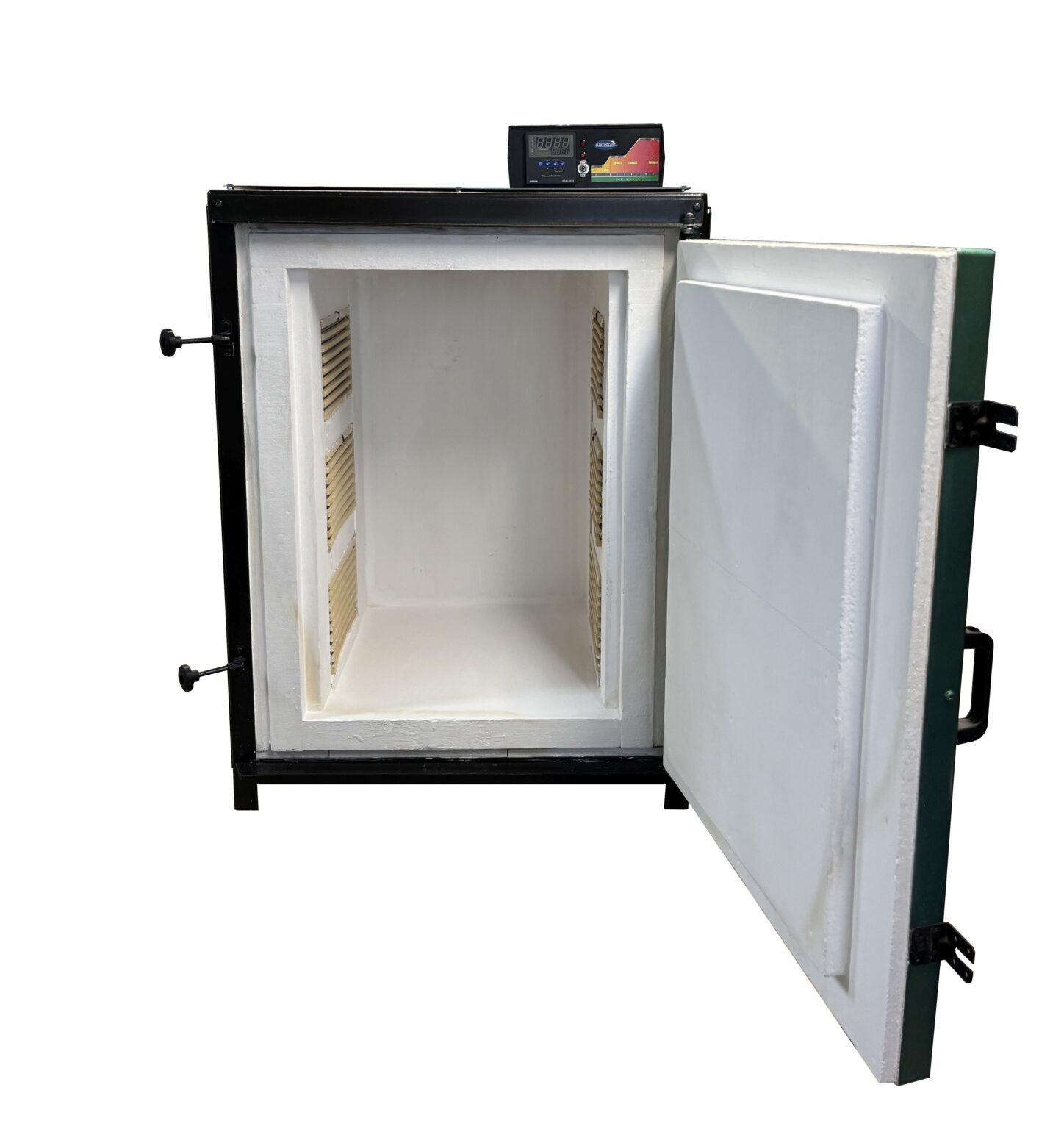
Bisque and glaze firing
Precise control of the heating rate helps prevent cracking and violent outgassing of the clay body.
Lightweight ceramic fibre insulation
No heavy firebricks means fast heat-up, faster cooling and lower electricity bills.
Even heat in the chamber
Kanthal heating coils set in ceramic panels keep the temperature uniform throughout the chamber.
Pottery kilns – chamber sizes and volumes
Chamber volume in litres and power ratings
| Volume | Chamber size [W × H × D mm] | Loading | Max. temperature [°C] | Power [kW] |
|---|---|---|---|---|
| 12 L | 200 × 200 × 300 | front door | 1100 / 1250 (optional)** | 5 |
| 31.5 L | 300 × 350 × 300 | front door | 1100 / 1250 (optional)** | 5 |
| 36.75 L | 350 × 350 × 300 | front door | 1100 / 1250 (optional)** | 5 |
| 64 L | 400 × 400 × 400 | front door | 1100 / 1250 (optional)** | 7.5 |
| 91.1 L | 450 × 450 × 450 | front door | 1100 / 1250 (optional)** | 7.5 |
| 187.5 L | 500 × 750 × 500 | front door | 1100 / 1250 (optional)** | 12 |
| 216 L | 600 × 600 × 600 | front door | 1100 / 1250 (optional)** | 10 |
* Need a different size? Send us an enquiry – we like a challenge!
** Maximum temperature can be raised to 1250°C as a paid option.
Controllers and programmers for pottery kilns
Choose the level of control that matches your firings
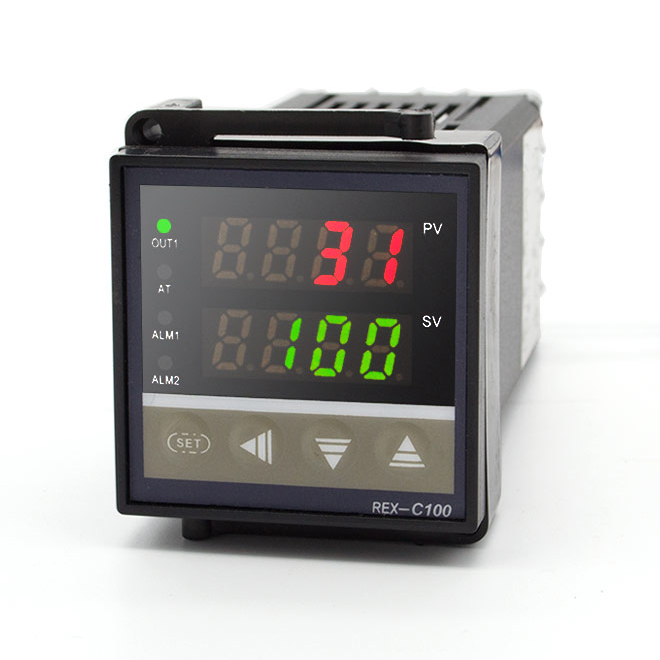
Basic PID controller
Set the target temperature in seconds. Ideal for repeat firings with fixed settings.

Multi-program controller
Stores multi-step firing schedules (ramp, soak, cooling). A must for demanding glazes.
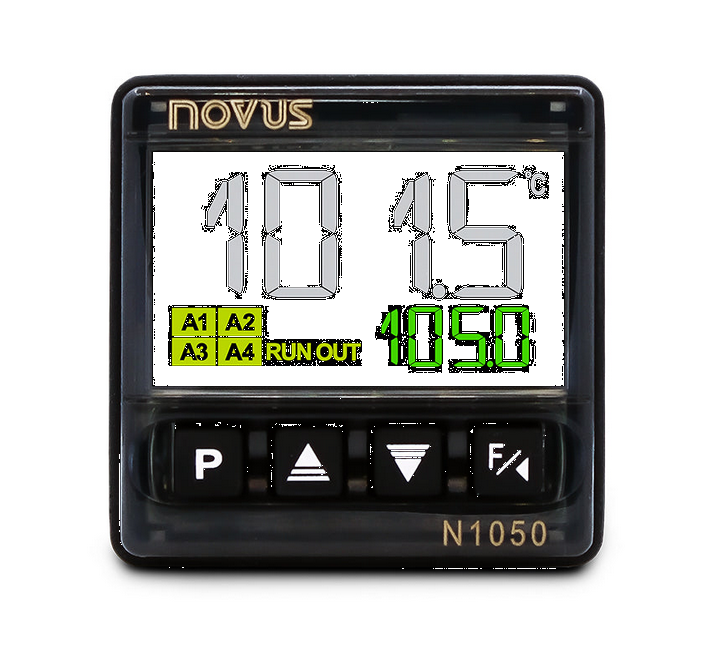
Compact programmer
Novus N1050: multi-segment, high-contrast LCD display, 5 firing profiles (ramp/soak) and quick setup from a PC via USB.
Kiln furniture and accessories
Everything you need to make full use of the chamber
Cordierite / fireclay shelves
Durable shelves with high thermal shock resistance, so you can load work on several levels.
Kiln prop sets
Ceramic props in heights from 25 to 100 mm for flexible spacing between shelves.
Reinforced kiln floor
Protects the heating elements from wear and damage under heavy loads and extends the life of the kiln.
Pottery kilns we have built
Examples of kilns configured for our customers
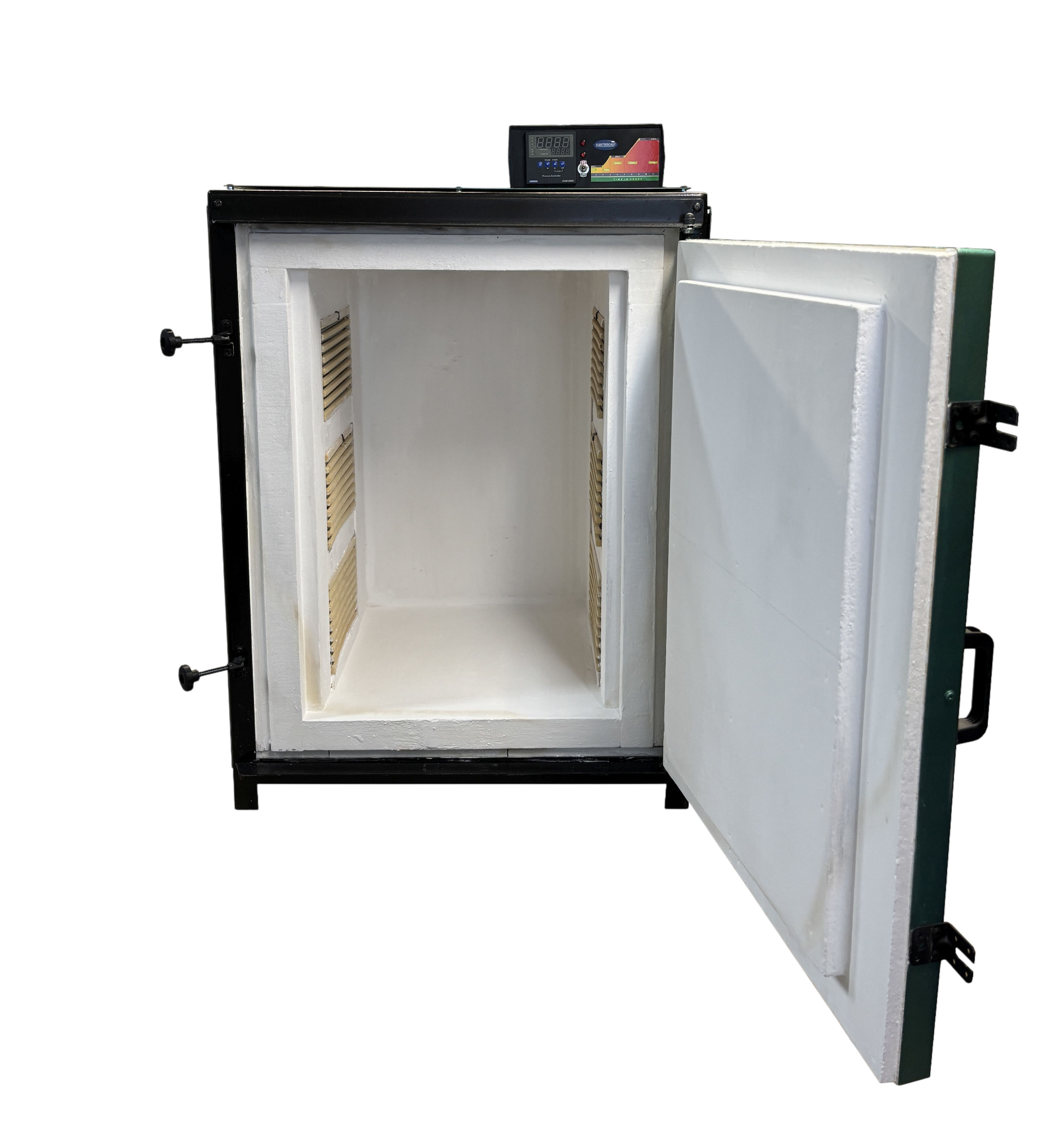
Ceramic kiln
Chamber: 500 × 750 × 500 mm (front-loading)
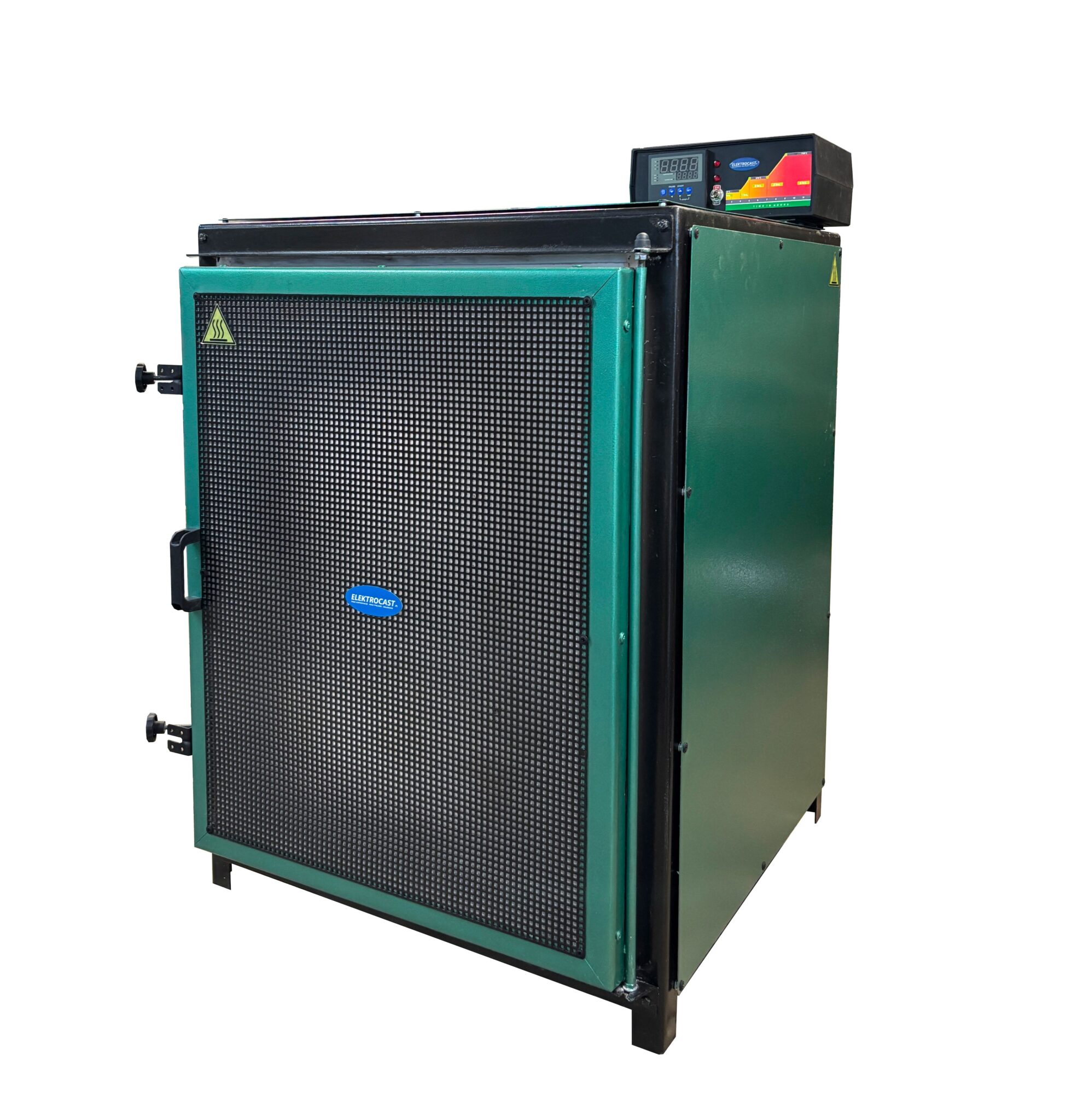
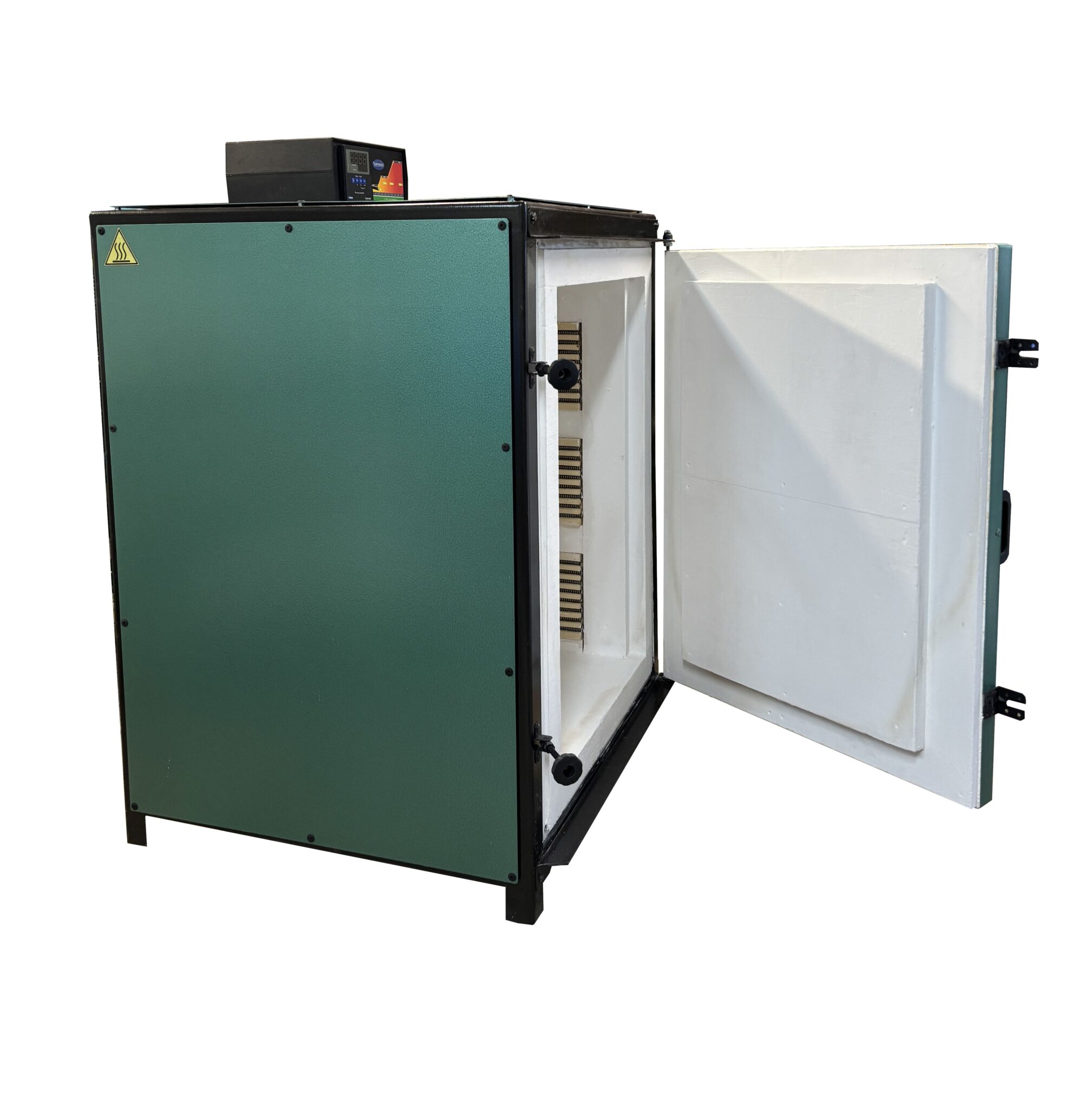
Ceramic kiln
Chamber: 500 × 750 × 500 mm (with casing)
Ceramic kiln
Chamber: 500 × 750 × 500 mm (side view)
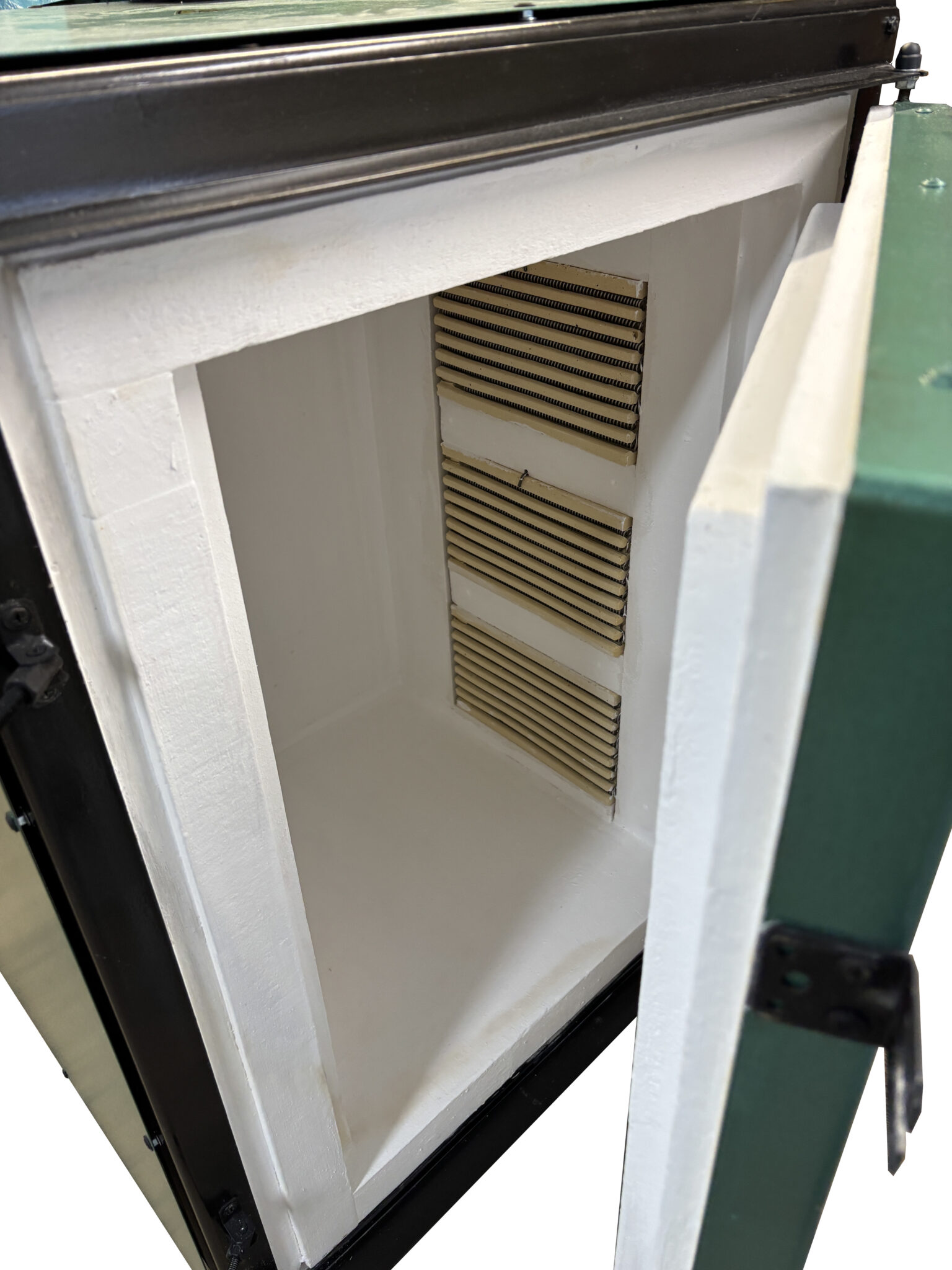
Chamber insulation details
Careful finishing and coil installation
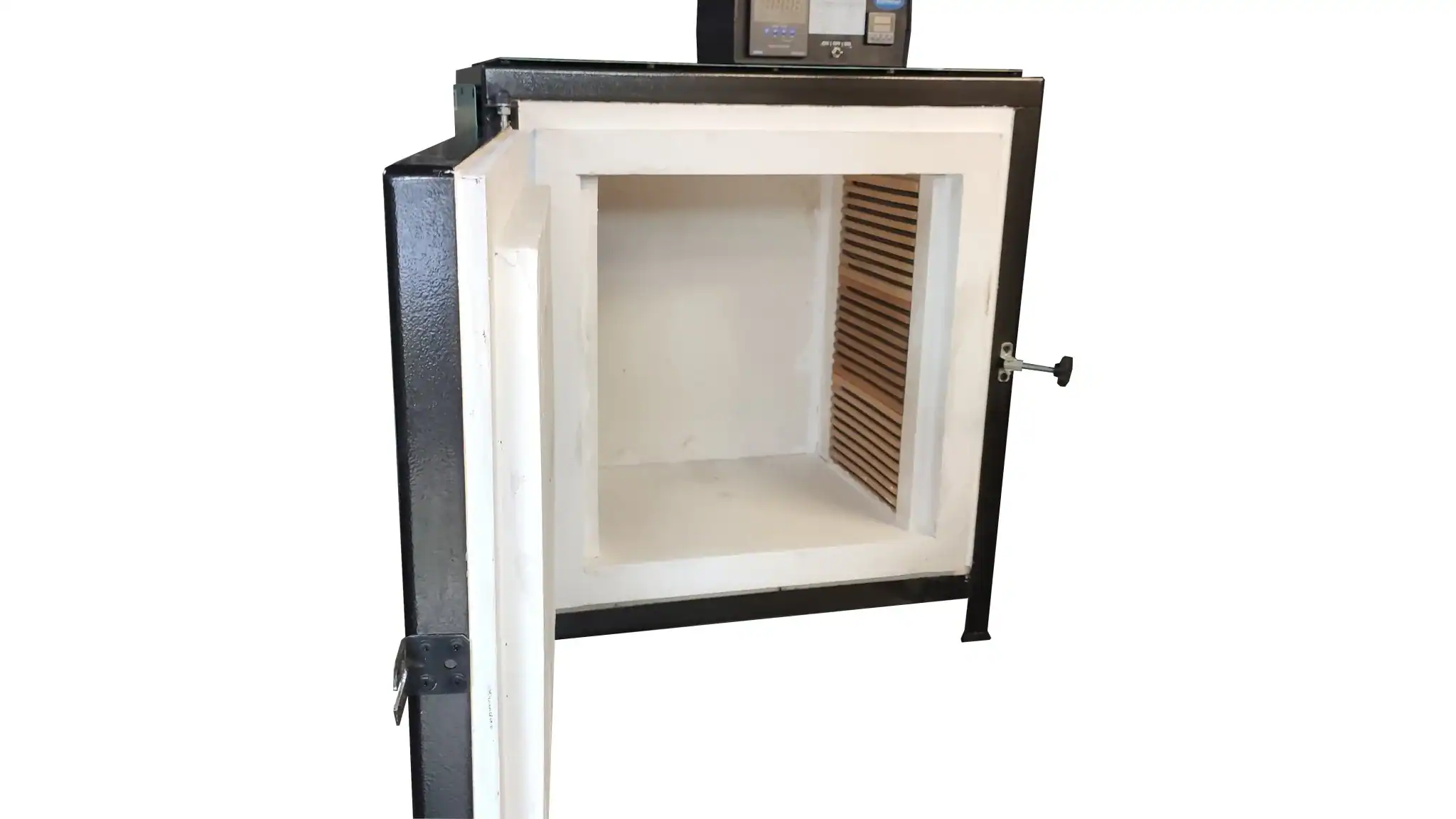
Ceramic kiln
Chamber: 450 × 450 × 450 mm (front-loading)
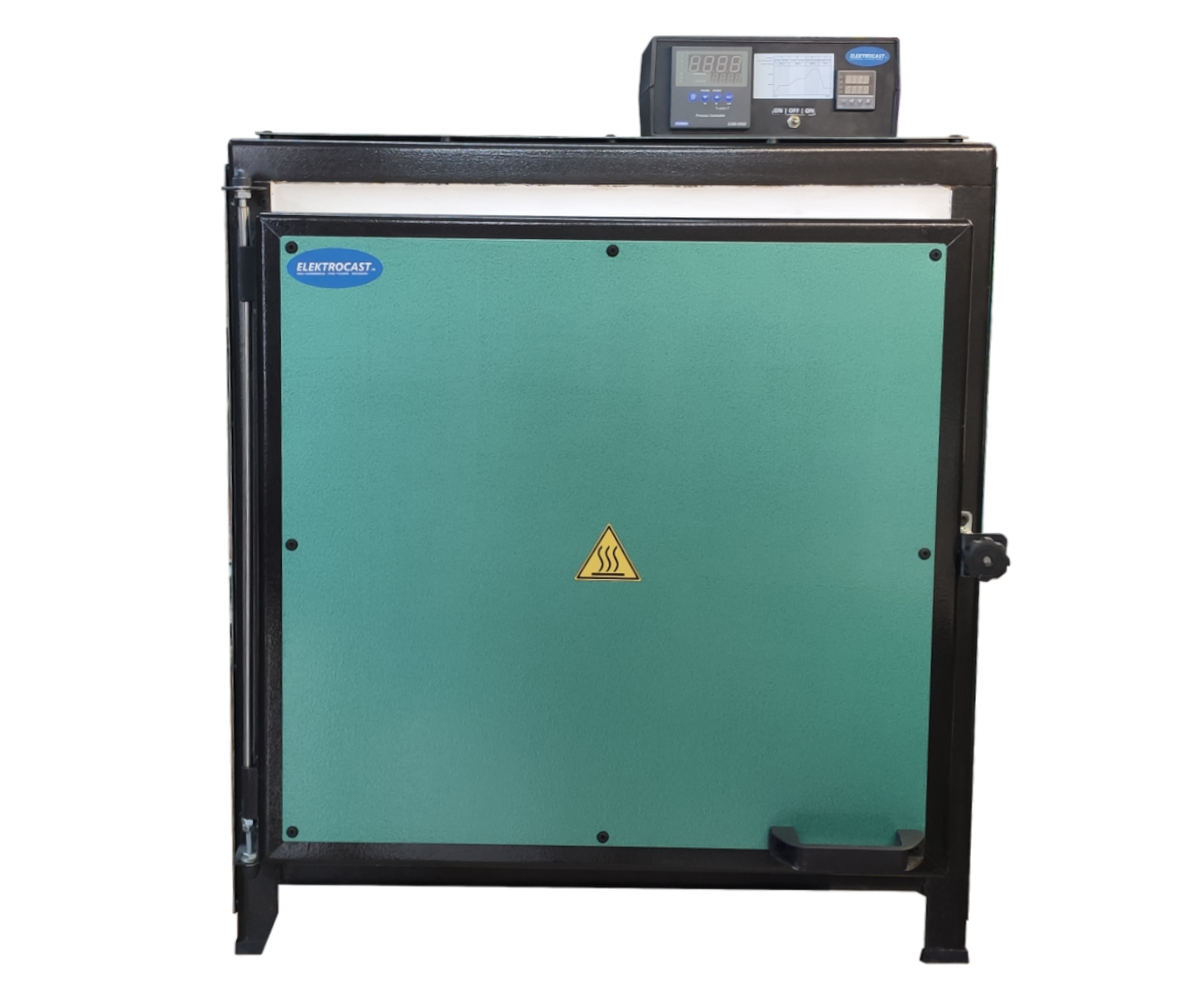
Ceramic kiln
Chamber: 450 × 450 × 450 mm (front-loading)
Pottery kilns – frequently asked questions
Choosing a kiln, energy use, power supply and ordering
How do I choose the right size of kiln?
It depends on the size and type of work you fire and how often you use the kiln. A small hobby studio is usually fine with a kiln of around 12 litres. Workshops, schools and production studios do better with larger pottery kilns – from several dozen to over 200 litres. We are happy to recommend the right model for your studio.
How much electricity do pottery kilns use?
The maximum is easy to work out: kiln power (kW) × firing time (h). A 5 kW kiln uses at most 5 kWh per hour. The elements only draw full power while heating up – once the kiln reaches the set temperature, the controller switches them on and off, so the real consumption per firing is lower.
Our pottery kilns use lightweight ceramic fibre insulation instead of heavy firebrick, so the chamber heats faster and you are not paying to heat the walls.
What power supply do I need?
That depends on the kiln's power rating. Kilns of 5 kW and above usually need a three-phase 400 V supply. Check with an electrician that your studio's installation is suitable before you buy – we will tell you what connection your chosen model needs.
What temperature are bisque and glaze fired at?
As a rough guide, bisque is fired at around 900–1000°C. Glaze firing depends on the clay and glaze: low-fire glazes need about 1000–1100°C, while stoneware goes up to around 1250°C. Always follow the clay and glaze manufacturer's recommendations. Our pottery kilns work up to 1100°C as standard and up to 1250°C as an option, so they can handle stoneware too.
Can pottery kilns be used for glass and fusing?
Yes. Fusing and annealing glass need precise control of heating, soaking and cooling, so we recommend the multi-program controller, which stores multi-step firing schedules. See also our glass fusing kilns.
How do I make the heating elements last longer?
Don't exceed the kiln's maximum temperature, keep the chamber clean and put glazed work on shelves rather than directly on the floor. For heavy loads, choose the reinforced floor option. Elements wear over time – that's normal. The heating panels in our kilns are replaceable, and as the manufacturer we supply spare parts and service.
Do you help with installation and start-up?
Yes – we support installation and the first firing. Depending on the model and location, we can install on site or provide detailed instructions and a consultation with our technical team.
How long does delivery take?
Standard lead time is 2 to 6 weeks, depending on the model and our current production schedule. We always confirm the exact date when you place your order.
Can you build a kiln to custom dimensions?
Yes – we also build pottery kilns to order. If you need a non-standard chamber size, a higher temperature or extra features, we will design a kiln around your requirements. Get in touch – we like unusual projects.