
Industrial furnaces for heat treatment, melting and firing
We design and build energy-efficient industrial furnaces for hardening, tempering, melting metals and firing ceramics. Chamber size, power and controls are matched to your process.
- Built to spec: chamber and power sized to your parts
- Made in Poland: our own production, service and spare parts
- High performance: continuous-duty furnaces up to 1300°C


Hardening furnaces
- Use: hardening, annealing and tempering steel
- Features: replaceable heating panels, rugged build

Ceramic kilns
- Use: bisque, glaze and stoneware firing
- Features: wide range of sizes, custom builds
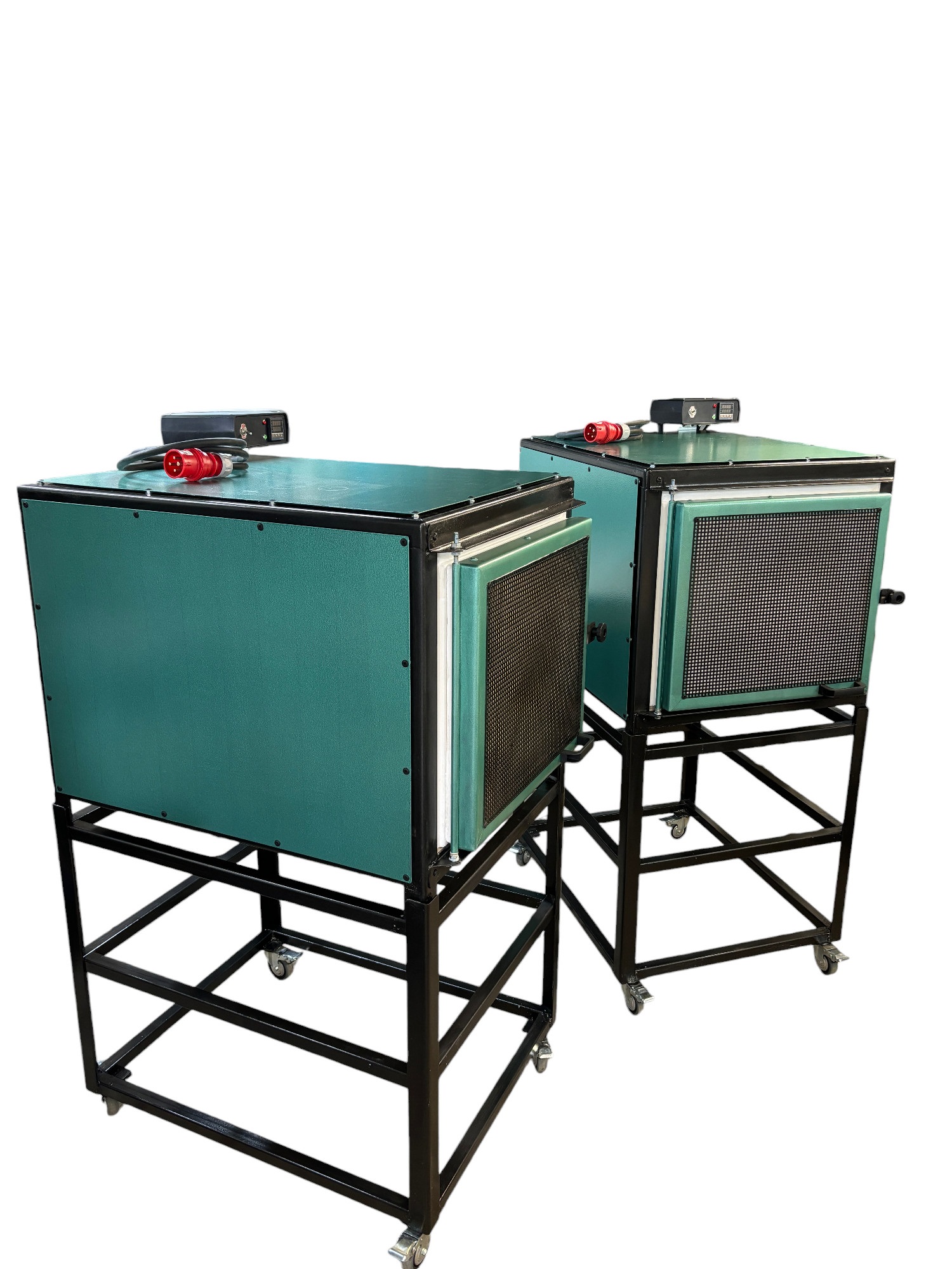
Tempering furnaces
- Use: tempering metals after hardening
- Features: even temperature distribution
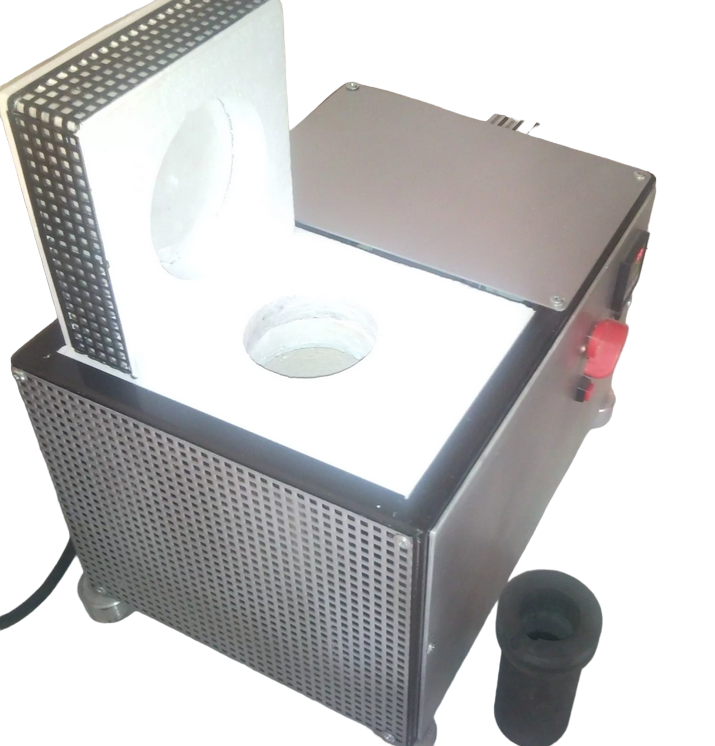
Crucible furnaces
- Use: melting silver, gold and other metals
- Features: fast heat-up, high efficiency
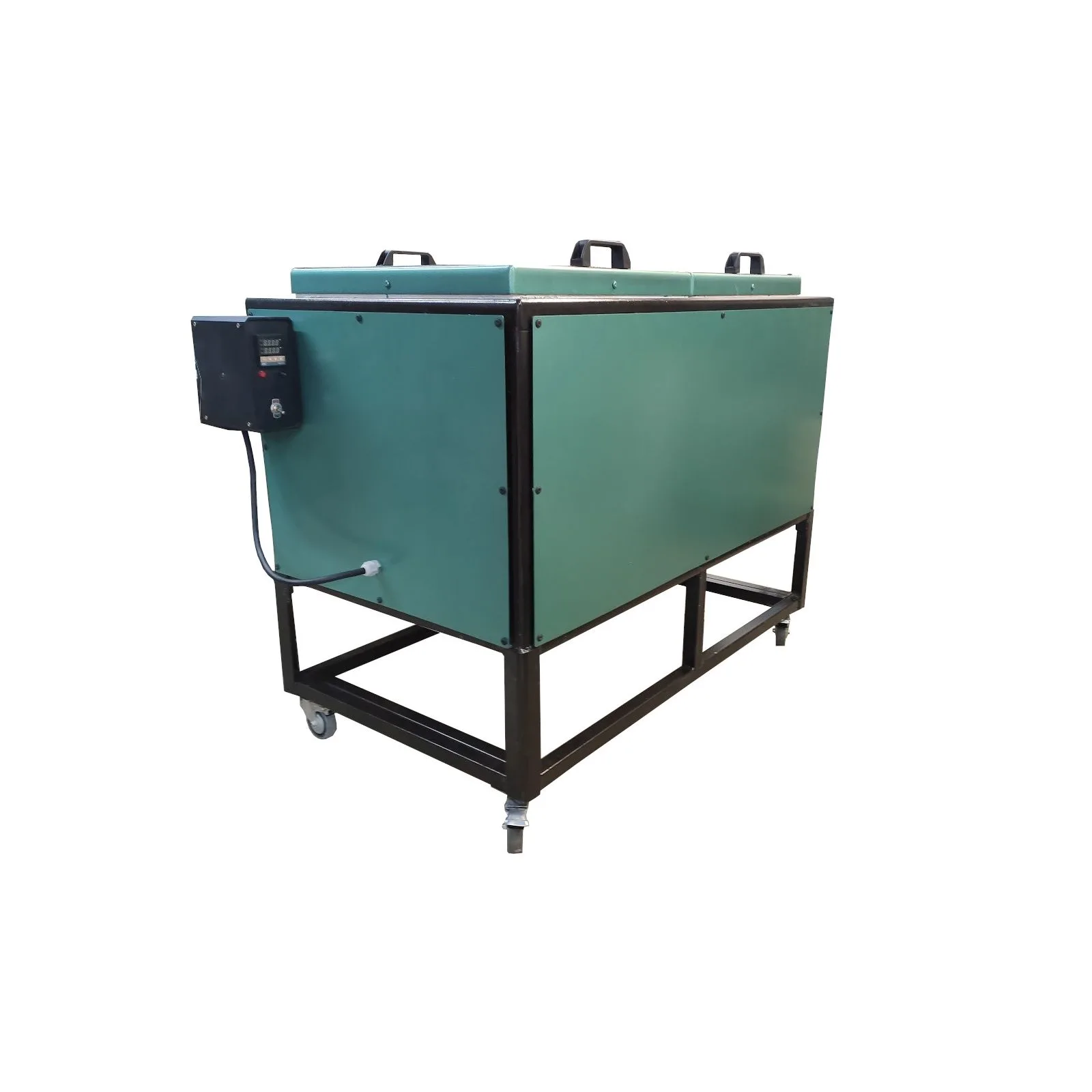
Engine head welding furnaces
- Use: preheating cylinder heads and blocks
- Features: hinged lid, controlled cooling
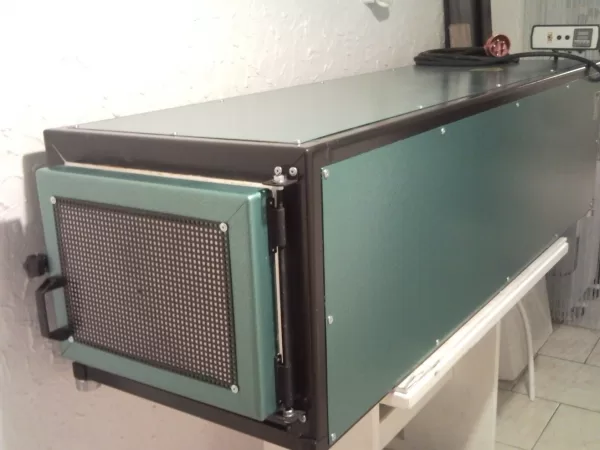
Furnaces for long parts
- Use: shafts, tubes, spindles, blades
- Features: even heat along the chamber
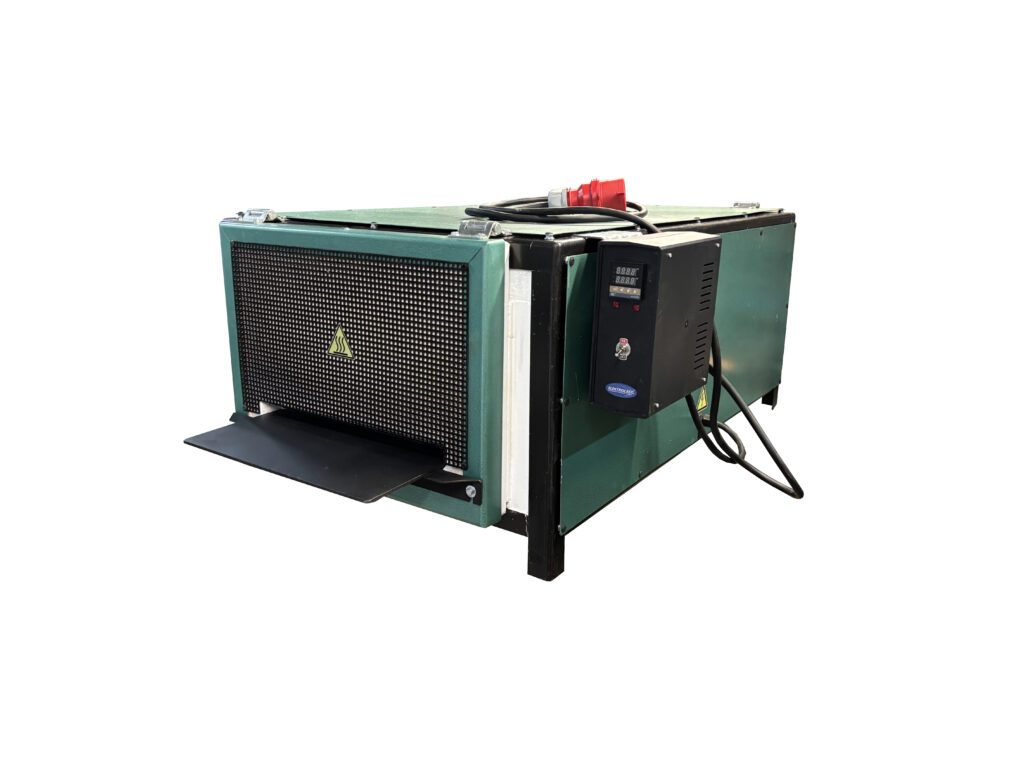
Continuous furnaces
- Use: continuous heat treatment in series
- Features: pusher-type, built to order

Vitrigraph kilns
- Use: pulling glass stringers and rods
- Features: precise temperature control
Reliable industrial furnaces built around your process
Our range covers hardening furnaces, crucible furnaces, casting machines and complete casting lines. Whatever the size of your business, we adapt our industrial furnaces to your technical requirements – and support you with advice from the first enquiry to installation and service. Learn more about industrial furnaces.
Industrial furnaces – frequently asked questions
Energy costs, service, lead times and choosing the right furnace – answers to the questions customers ask us most.
What industrial furnaces does Elektrocast make?
We build industrial furnaces for heat treatment of metals: hardening furnaces, tempering and annealing furnaces, custom chamber furnaces and special furnaces such as continuous furnaces. We also make crucible furnaces for melting metals and kilns for firing ceramics. Everything is designed and built in-house in Poland, so we can match the chamber size, power and controls to your process.
How much electricity does a heat treatment furnace use?
The simplest formula is: furnace power (kW) × operating time (h) × price per kWh. For example, our MS-40 hardening furnace is rated at 2.5 kW, so it uses at most 2.5 kWh per hour.
In practice it uses less. The furnace only draws full power while heating up – once it reaches the set temperature, the controller switches the elements on and off just to make up for heat losses. Real costs depend on process temperature, soak time and load size, and we are happy to estimate them for your process before you buy.
How do you keep the energy costs of industrial furnaces down?
Three things matter most, and we take care of them at the design stage:
- Thermal insulation – reduces heat loss, so the furnace needs to top up the heat less often.
- Programmable PID controller (e.g. Novus) – holds the temperature precisely without overshooting.
- Power and chamber matched to the load – we don't oversize. A chamber that is too big means heating empty space.
Do you provide service and spare parts?
Yes. As the manufacturer we service our furnaces and supply spare parts: heating elements (we use Kanthal resistance wire), thermocouples, muffles and controllers. We also refurbish and upgrade furnaces – replacing elements, insulation or controls is often cheaper than buying a new unit.
What maximum temperature do your furnaces reach?
It depends on the application. Hardening furnaces work up to 1150°C, tempering furnaces up to 750°C, and crucible furnaces for melting metals up to 1300°C. For custom furnaces we set the temperature range to suit your process.
Can I order a furnace in non-standard dimensions, and how long does it take?
Yes – most of our projects are industrial furnaces designed to order, with the chamber, power, supply and controls matched to the job. Standard models are usually delivered within 14 days. Lead time for custom furnaces is agreed individually with the quote.
What power supply does a hardening furnace need?
Smaller models, such as the 2.5 kW MS-40, run on 230 V. Higher-power furnaces usually need a three-phase 400 V supply. We always confirm the supply when choosing the furnace, so it fits the installation in your plant.
Need a furnace in a non-standard size or with special parameters?
We build furnaces to order and offer technical advice at every stage of the project.
Discuss your project →